 多囊患者试管胚胎不着床常见原因深度探讨
发布:2026-03-13 11:57:26
多囊卵巢综合征患者在试管婴儿过程中,胚胎不着床是一个常见挑战,让许多家庭感到焦虑。本文将深入分析其原因,从胚胎质量到子宫内膜问题,再到内分泌因素,帮助大家全面了解并找到应对方法。

一、胚胎质量与染色体异常
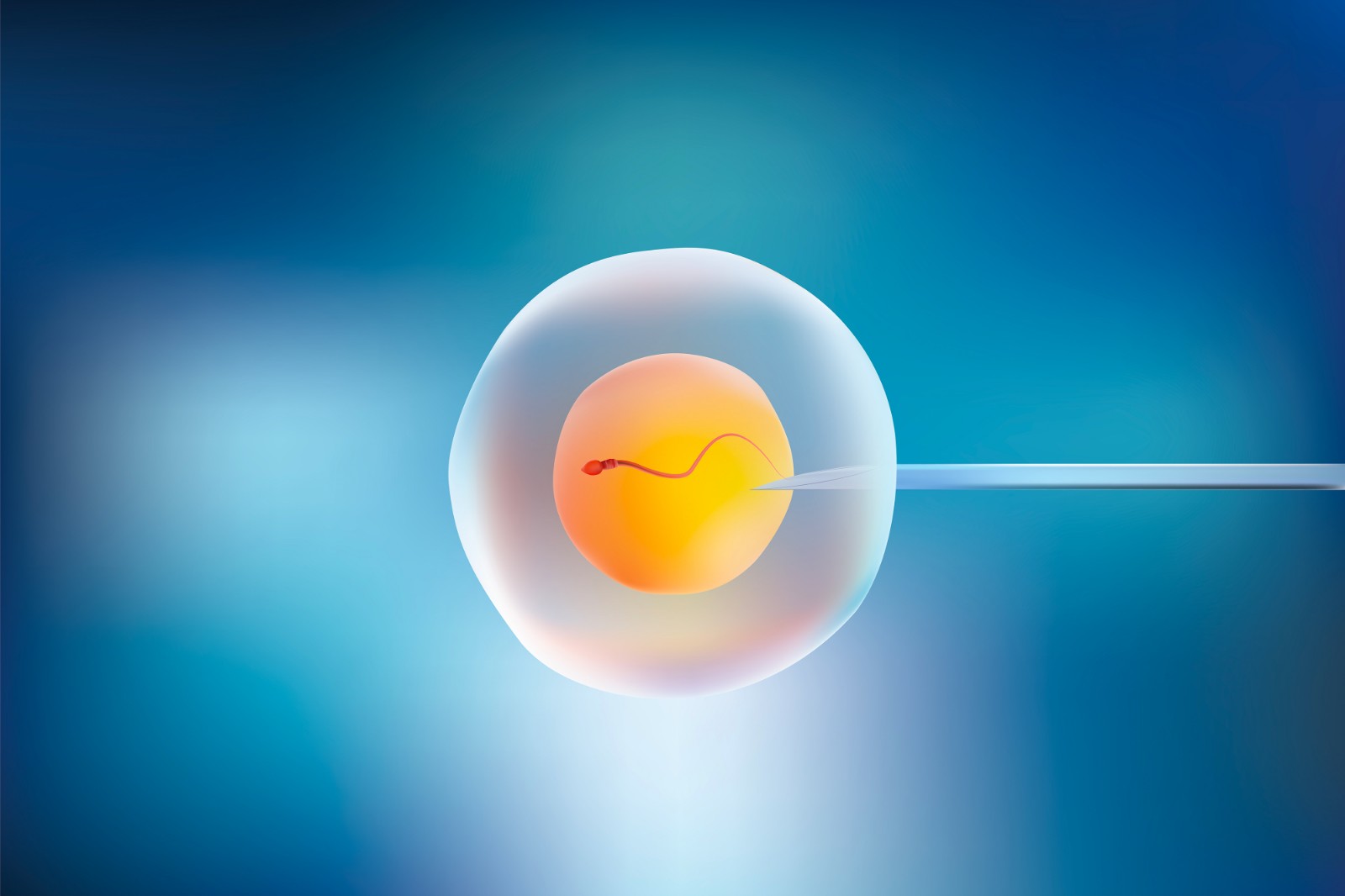
胚胎不着床 often stems from issues with embryo quality and chromosomal abnormalities. In polycystic ovary syndrome patients, poor sperm quality or fertilization problems can lead to embryos that fail to develop properly. Chromosomal errors might occur during cell division, making the embryo unable to implant successfully. This is a key factor in many cases, and addressing it through genetic screening or improving sperm health can enhance outcomes.
二、子宫内膜容受性不足
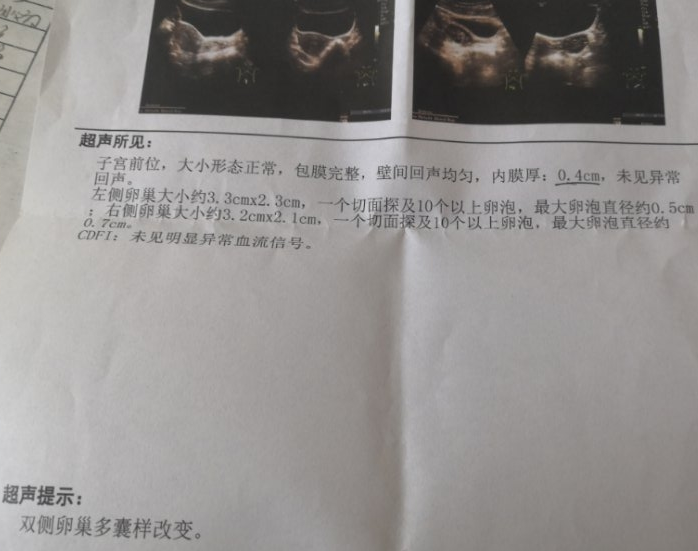
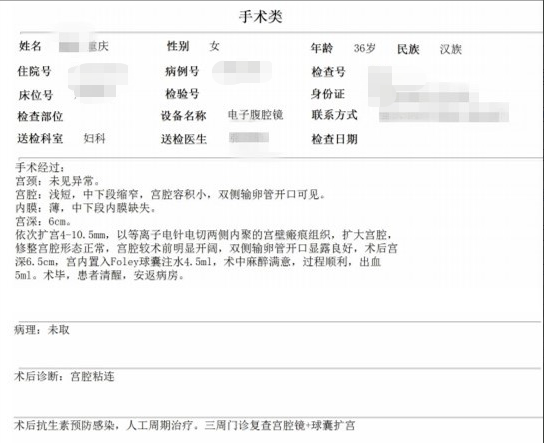
The uterus plays a crucial role in embryo implantation. For those with PCOS, endometrial receptivity might be compromised due to structural abnormalities like uterine fibroids or polyps. Additionally, a thin endometrial lining or inflammation can reduce the chance of implantation. Ensuring a healthy uterine environment through medical evaluation and treatment is essential for improving success rates in IVF procedures.
三、内分泌与免疫因素
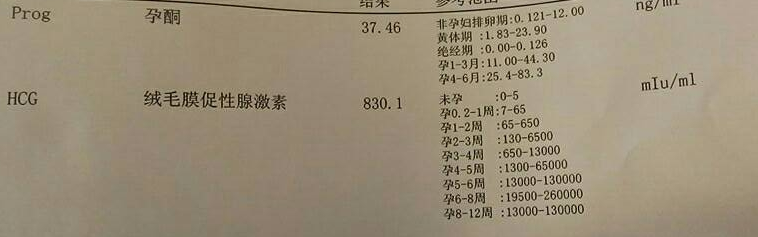
Hormonal imbalances common in PCOS, such as irregular insulin or estrogen levels, can disrupt the implantation process. Immune system issues, where the body mistakenly attacks the embryo, also contribute. Stress and lifestyle factors may exacerbate these problems, highlighting the need for balanced hormone therapy and stress management to support implantation.
| 原因类别 | 简要描述 |
|---|---|
| 胚胎质量与染色体异常 | 包括精子质量和受精卵发育问题 |
| 子宫内膜容受性不足 | 涉及子宫结构异常或内膜薄 |
| 内分泌与免疫因素 | 激素紊乱和免疫反应影响 |
结语
总之,多囊卵巢综合征患者试管胚胎不着床的原因多样,涉及胚胎、子宫和内分泌方面。通过全面评估和针对性改善,如遗传筛查、内膜优化和激素调节,大家可以提高试管婴儿的成功率,迈向健康生育。

试管好孕日记